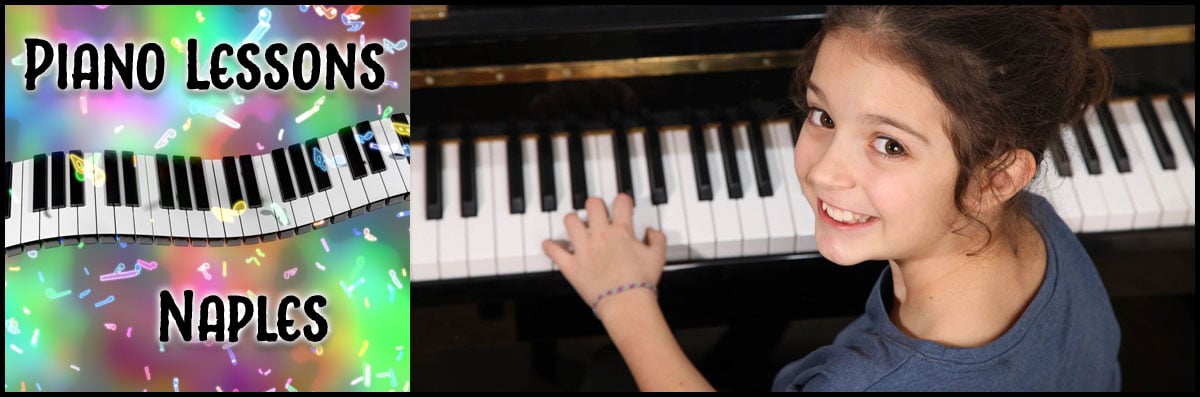
At Piano Lessons Naples, I provide professional piano lessons for adults and children that are both fun and educational. Students are able to learn all different styles of music, no matter what level they are, with lessons available in-studio and for 30-, 45-, or 60-minute sessions at least once a week. I also offer what is called the Elite Corps Program for students who regularly attend lessons and make significant progress, with opportunities to participate in special events, concerts, and more, as well as the chance to learn more music and receive recognition. For more information about my piano lessons, please contact me at Piano Lessons Naples today!
What is proprioception when you play the piano?
I work with students to develop a technique called proprioception, which is the body’s ability to sense the position and movement of the hands and fingers without relying on sight. Strengthening this skill helps students keep their eyes on the music instead of constantly looking down at the keyboard. As proprioception improves, they gain the confidence to move fluidly across the keys, navigate complex passages, and break the habit of looking up and down frequently. This internal awareness ultimately leads to smoother, more accurate, and more expressive playing.
(By Appointment only, please call for details and Availability)
I now have a studio at Piano Distributors in North Naples where I teach in-person lessons.
How Playing Piano Supports Healthy Aging and Cognitive Vitality
Playing piano is a powerful tool for healthy aging, providing significant cognitive, physical, and emotional benefits for older adults. Studies indicate it improves memory, enhances executive function, boosts brain plasticity, and strengthens hand dexterity, helping to counteract dementia, reduce stress, and improve overall quality of life.
Key Findings on Cognitive and Physical Health
• Brain Plasticity and Memory: Research shows that piano practice induces positive changes in brain structure and function, particularly in the areas responsible for memory and attention.
• Dementia Prevention: Studies have shown that active music-making —such as playing the piano—can lead to a 47% decrease in the risk of developing Alzheimer's and other forms of dementia.
• Physical Dexterity: Regular piano playing helps seniors improve finger agility, strength, and hand-eye coordination. It is also shown to decrease arthritis pain.
• Neuroprotection: Research published in Frontiers in Aging Neuroscience found that six months of piano training can stabilize white matter microstructure in the fornix, a brain region affected by aging.
Emotional and Social Well-being
• Improved Mood: Learning to play provides a sense of accomplishment, boosting self-esteem and providing a creative outlet for emotional expression.
• Reducing Stress: Engaging in music acts as a form of stress relief and can decrease anxiety.
• Social Connection: Participating in piano lessons—whether in-person or online—fosters a sense of community and reduces social isolation among older adults.
Why Piano is Specifically Beneficial
Unlike listening to music, playing the piano involves a multisensory experience that connects auditory, motor, and visual inputs simultaneously. Studies suggest that learning to play, particularly through improvisation, offers the most profound benefits for cognitive function. The long-term dedication to piano playing also builds a "cognitive reserve," which helps the brain withstand the structural changes that occur with age-related cognitive decline.